
Biodynamic Cranial Osteopathy
Biodynamic Cranial Osteopathy is a non-invasive form of manual medicine in which a practitioner "listens" with their hands, sensing subtle movements and textures in the relaxed patient's body. As the patient becomes more settled and integrated, their state moves toward neutral.
The approach is deeply holistic by nature, addressing the whole person rather than isolated symptoms. It may be beneficial for a wide range of conditions, including chronic pain, headaches, stress, fatigue, and recovery from injury or illness. Longstanding conditions may require several sessions before improvement is felt. Patients generally enjoy the experience and described a sense of feeling more fully like themselves afterwards.
A Typical Session
Sessions take place on a comfortable treatment table, with the patient fully clothed. The practitioner moves between different areas — from head to feet, sacrum, or diaphragm — to gain a sense of the whole and identify areas of restriction. Much of the work involves stillness and waiting; patients often feel deeply relaxed and may even drift off to sleep, which is perfectly welcome.
Pamela Gross is credentialed with the following insurance companies:BCBS VT, CBA Blue, Anthem, United, Cigna,VT Medicaid, Medicare & Aetna
Pamela Gross
Cranial Osteopathy
-
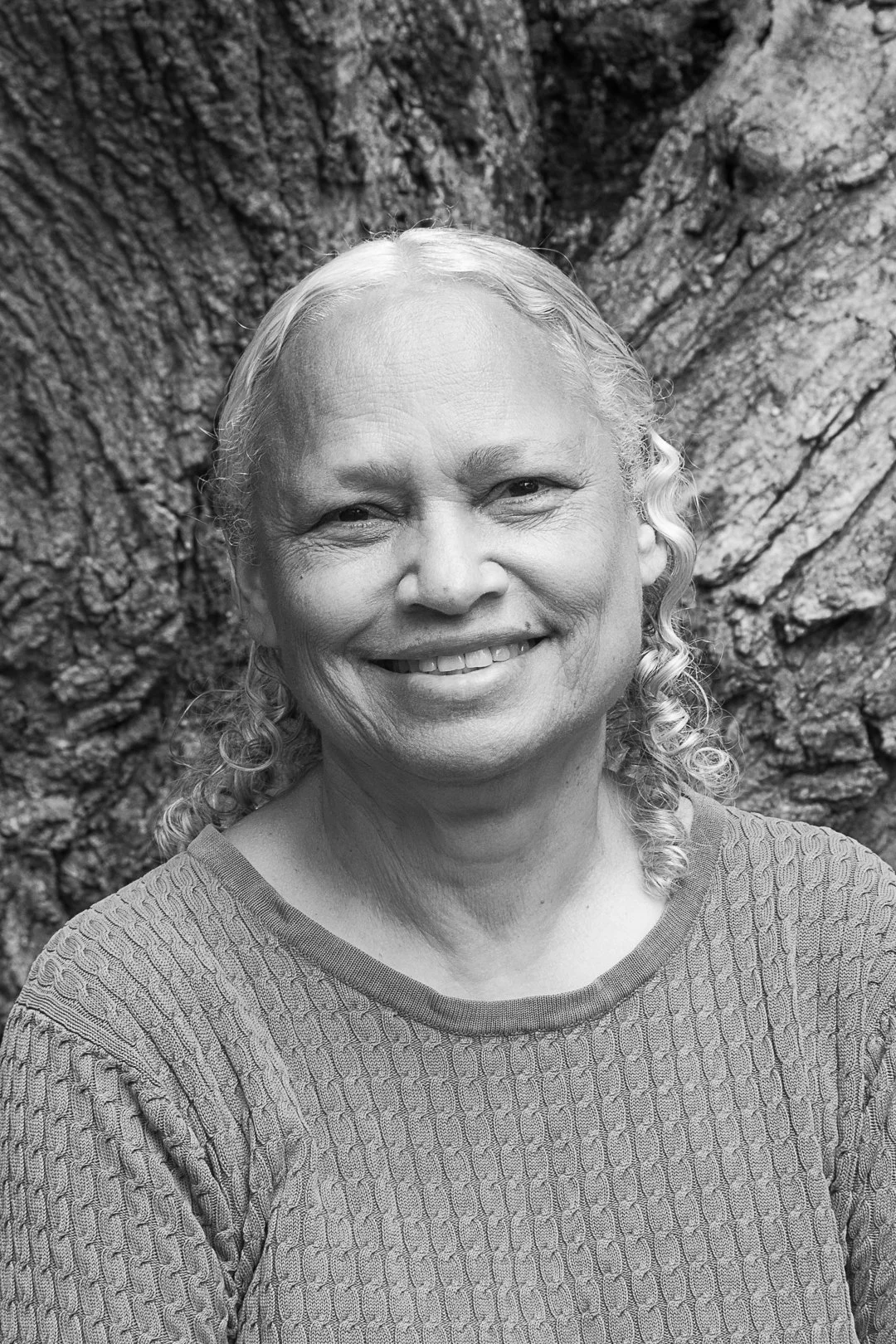
Dr. Pamela Gross joined Sojourns in June of 2026, bringing both an MD, and a Master of Public Health degree earned during her Preventive Medicine residency. Since 1996, she has studied Biodynamic Cranial Osteopathy, a form of manual medicine, which has become her primary treatment modality. She also has training in HIV medicine which she has practiced in Public Health clinics and county jails. Outside of work, Dr. Gross enjoys walking in rural Vermont, participating in a community book club, and attending Putney Friends Meeting.
The History of BOCF
Osteopathy was developed by Dr. Andrew Taylor Still in 1874 as a gentle, hands-on discipline aimed at seeking health in the patient — regardless of how ill they might be. The patient was seen as a part of the natural environment, animated by the Breath of Life. In 1899, Still's student Dr. William Garner Sutherland observed that the bones of the skull have beveled edges, suggesting they are designed for movement at their junctions rather than being fixed in place, as had long been assumed. This insight led to the development of Cranial Osteopathy, extending Still's work of sensing subtle motions in the body and releasing the restrictions found there.
Dr. James Jealous later founded Biodynamic Cranial Osteopathy — also known as Biodynamic Osteopathy in the Cranial Field (BOCF) — building on this lineage with a focus on the biodynamic forces that shape embryological development. Drawing on the work of German embryologist Erich Blechschmidt, Jealous recognized that the same formative forces present in early development continue working toward healing throughout a person's life. Trained BOCF practitioners work in support of these inherent forces.